How to Choose a White Cane
A white cane is one of the most personal pieces of equipment a blind or low vision person owns, and choosing the right one makes a real difference to how confident and safe you feel out in the world. The right cane depends on what you need it to do, how tall you are, and how you travel, so it helps to understand the main choices before you buy.
White canes do three different jobs. A long mobility cane is the tall, lightweight cane most people picture: you sweep it ahead of you to find kerbs, steps and obstacles. A support cane doubles as a walking stick for balance while still marking you as blind or partially sighted. A signalling or symbol cane is lighter and shorter, carried mainly to let other people know you have a sight condition rather than to detect obstacles. Within each type you then choose how it folds: folding canes pack down into sections, telescopic canes slide shut like an aerial, rigid canes do not fold at all, and combined canes both fold and adjust in length. Aluminium is sturdy and affordable; carbon composite is lighter and absorbs vibration, which many daily travellers prefer.
As a rough starting point, a long cane should reach somewhere between your chest and your chin when stood upright, though your trainer or habilitation specialist may suggest a length that suits your pace. The tip matters too, and it is the part that wears out fastest: a rolling tip glides over pavement, while a solid ceramic or metal tip gives clearer feedback. Tips unscrew and replace in seconds, so it is worth keeping a spare. Below are the canes and accessories we recommend, from a first folding cane to competition-light composite models, all shipped in euros.
Our team's picks
The reliable everyday folding cane
The Or F5 A folding white cane is a classic aluminium long cane in five sections that packs down small enough for a bag or pocket. Sturdy, affordable and easy to replace, it is the natural first cane for most blind and low vision travellers.
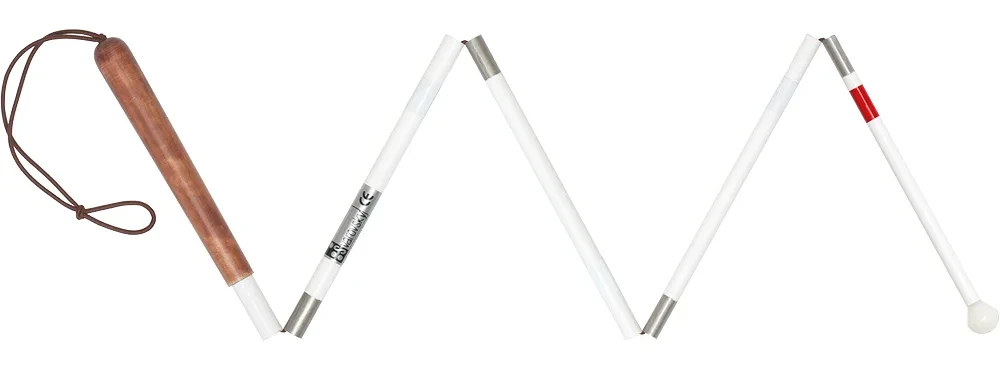
Folding White Cane Or F5 A (Aluminium, 5 Sections)
View ProductVision & BlindnessNavigation & OrientationSvárovský’s classic folding orientation cane: five aluminium sections, birch-wood handle, replaceable tip, in eleven lengths from 100 to 150 cm.
Price: US$51.84Lighter, for daily travel
The Or F5 C uses carbon composite instead of aluminium, so it is noticeably lighter and damps the buzz that comes back up the cane on rough pavement. A comfortable upgrade for anyone who is out and about all day.
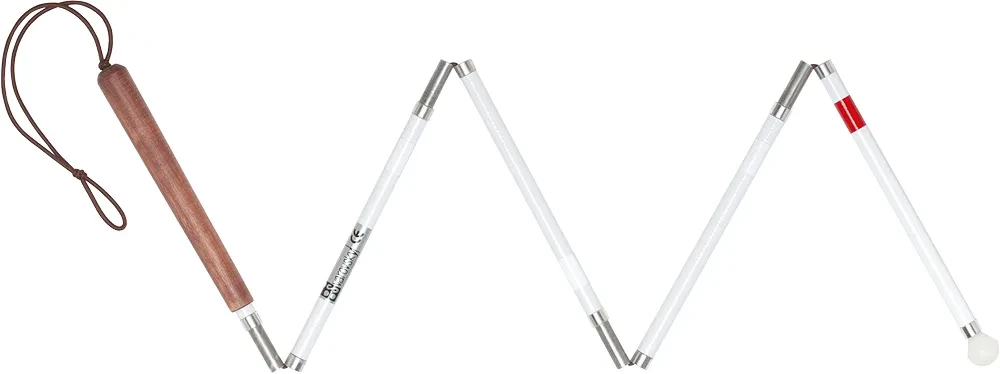
Folding White Cane Or F5 C (Carbon Composite, 5 Sections)
View ProductVision & BlindnessNavigation & OrientationThe featherweight version of Svárovský’s folding cane: five hand-wound carbon-composite sections that transmit touch feedback beautifully. Lengths 100-150 cm.
Price: US$68.69For quick one-handed opening
The Or T3 A telescopic cane slides open and shut like an aerial in three sections, with nothing to reassemble. Handy if you switch often between using the cane and having both hands free, though it stows a little longer than a folding cane.
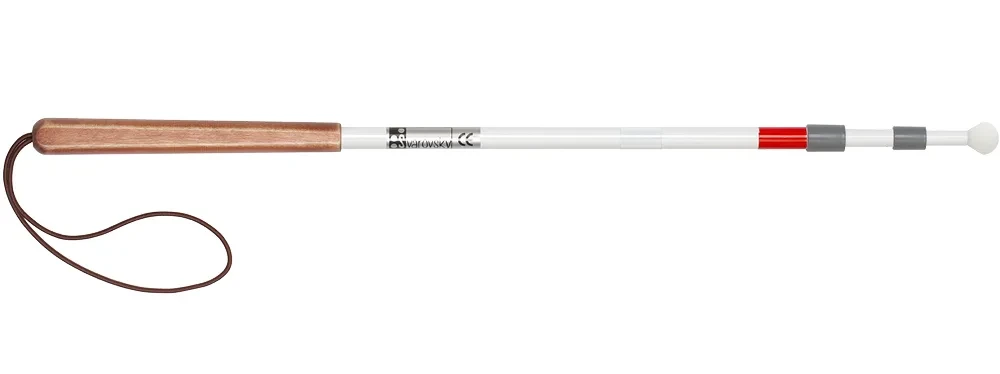
Telescopic White Cane Or T3 A (Aluminium, 3 Sections)
View ProductVision & BlindnessNavigation & OrientationThe three-section telescopic orientation cane: packs shorter than the T2, adjusts continuously, and reaches up to 155 cm for taller users.
Price: US$59.62Folds and adjusts to your height
The Or C4 A combines folding and telescopic design, so it packs down into four sections and also adjusts in length. A flexible choice if more than one person shares a cane, or if you are still settling on your ideal length.
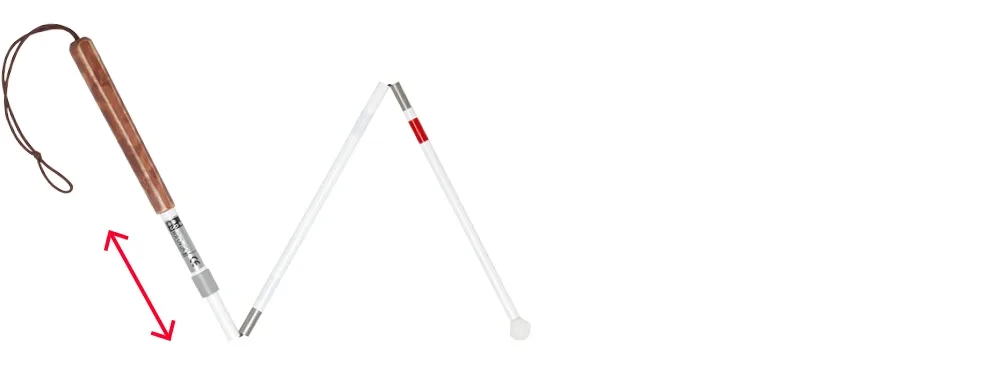
Combined White Cane Or C4 A (Folding + Telescopic, Aluminium, 4 Sections)
View ProductVision & BlindnessNavigation & OrientationFolding convenience plus telescopic fine-tuning: four aluminium sections that fold away, with a sliding lower section to trim the length exactly. Up to 105-150 cm.
Price: US$59.62For balance as well as detection
The Su R1 A rigid support cane works as a walking stick, taking your weight for balance, while its white finish still identifies you as blind or partially sighted. The right choice if you need physical support and a mobility marker in one.
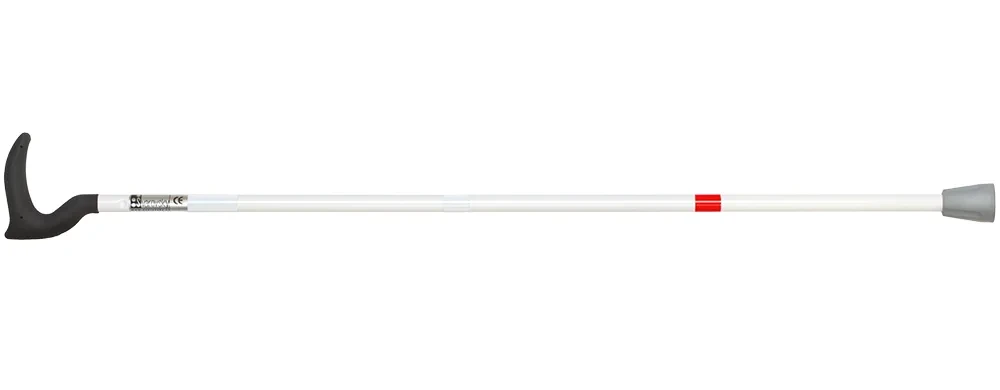
Support White Cane Su R1 A (Rigid, Aluminium)
View ProductVision & BlindnessMobility & PhysicalNavigation & OrientationMobility EquipmentA weight-bearing white cane for people with combined vision and mobility impairment: rigid aluminium shaft, orthopedic grip, exact 1 cm length sizing from 76 to 100 cm.
Price: US$22.03A light symbol cane to be seen
The Si F7 A folding signalling cane is slim and light, carried mainly to signal to drivers and passers-by that you have a sight condition rather than to probe for obstacles. A good second cane for shorter trips and busy streets.
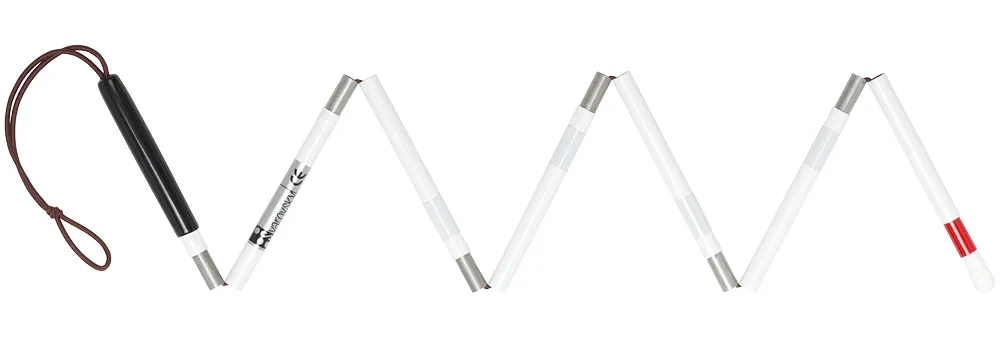
Folding Signalling Cane Si F7 A (Aluminium, 7 Sections)
View ProductVision & BlindnessNavigation & OrientationA featherlight seven-section symbol cane that tells traffic and passers-by you have low vision. It folds up smaller than a paperback. Lengths 90, 100, 110 cm.
Price: US$51.84Keep a spare tip
A solid ceramic tip that screws onto an orientation cane in seconds and gives clear, direct feedback from the ground. The tip is the part that wears fastest, so a spare keeps your cane working without a wait.
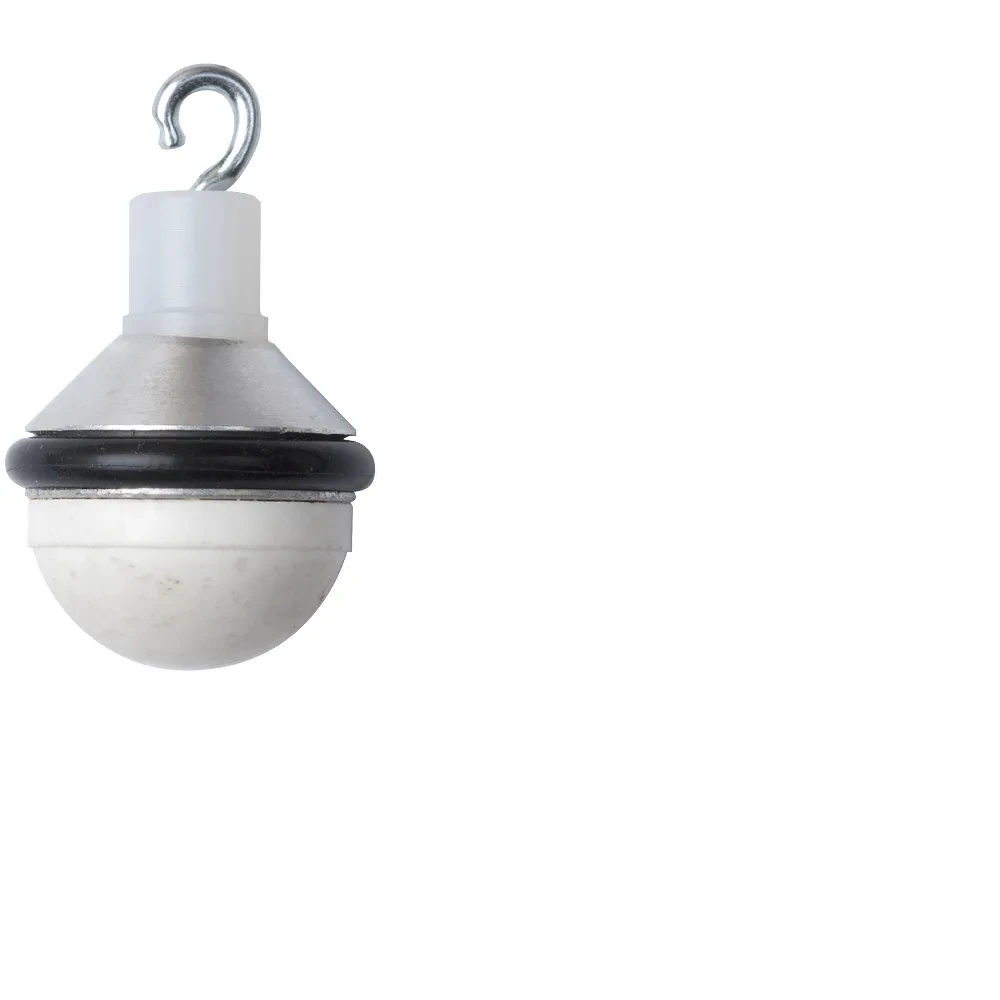
Ceramic Solid Tip Ø 24 mm for Orientation Canes
View ProductVision & BlindnessNavigation & OrientationA hard-wearing ceramic replacement tip for Svárovský orientation canes. It glides quietly, lasts far longer than nylon on rough pavement, and hooks on in seconds without tools.
Price: US$12.96
Still deciding?
The right cane is the one that matches how you travel, and it is easy to change tips or add a spare as your needs change. Our full vision range has more canes, tips, handles and everyday living aids.
Frequently asked questions
What length of white cane do I need?
As a general guide, a long mobility cane should reach somewhere between your chest and your chin when you stand it upright in front of you. Taller people and faster walkers usually need a longer cane so it clears obstacles in time. If you work with a mobility or habilitation trainer, follow the length they recommend, since it is matched to your stride.
What is the difference between a folding and a telescopic cane?
A folding cane breaks into sections held together by an internal elastic cord and packs down very small, but you reassemble it each time you open it. A telescopic cane slides open and shut in one movement with nothing to put together, which is quicker one-handed, but it stows a little longer and can be slightly heavier. Many people own one of each for different situations.
How do I replace a worn cane tip?
Cane tips screw onto a threaded post at the end of the cane, so you simply unscrew the old tip and screw on the new one, which takes a few seconds and no tools. The tip is the fastest-wearing part of any cane, so keeping a spare means you are never caught out. Rolling tips glide over pavement, while solid ceramic or metal tips give sharper feedback.
Do I need a long cane or a support cane?
Choose a long mobility cane if your main need is to detect kerbs, steps and obstacles ahead of you. Choose a support cane if you also need something to lean on for balance, since it works as a walking stick while its white colour still identifies you as blind or partially sighted. A signalling cane is a lighter third option for people who mainly want to be seen rather than to probe the ground.
Can I take a white cane on a plane?
Yes. A white cane is recognised assistive equipment and airlines let you carry it in the cabin, usually without it counting toward your baggage allowance. A folding or telescopic cane is easy to stow at your seat. It is worth carrying a spare tip in your bag, since a lost or damaged tip is the one thing that can cut a trip short.