BlindShell vs a Smartphone with a Screen Reader
If you or someone you love is blind or has low vision, there are two honest ways to have an accessible phone. One is a dedicated device like the BlindShell Classic, built from the ground up with physical buttons and speech. The other is a mainstream smartphone, an iPhone or Android, driven by its built-in screen reader. Both are good. The right choice depends on the person, not on which is newer.
A dedicated phone like the BlindShell wins on simplicity and confidence. Every button is physical and in the same place every time, the interface talks clearly, and there is far less to learn or go wrong. For someone new to sight loss, an older user, or anyone who found a touchscreen frustrating, that predictability is often the difference between a phone they use and one that sits in a drawer.
A mainstream smartphone with VoiceOver on iPhone or TalkBack on Android wins on reach. It runs the same apps everyone else uses, from banking to WhatsApp to Be My Eyes, and its screen reader is genuinely powerful once learned. The trade-off is the flat glass: gestures take practice, and updates occasionally move things around. A device like the Hable One braille keyboard can bridge that gap, adding fast physical control to a touchscreen phone.
So there is no single winner. Choose a BlindShell for a confident, low-stress phone that just works. Choose a smartphone with a screen reader for maximum apps and flexibility, ideally paired with a physical controller. Below are the devices we stock for each path, with honest notes on who each suits.
Our team's picks
The full dedicated phone
The BlindShell Classic 3 is the most capable dedicated phone we sell: physical keypad, clear speech, an SOS button and a growing set of built-in apps for messaging, radio and more. The best all-round choice for someone who wants independence without a touchscreen.
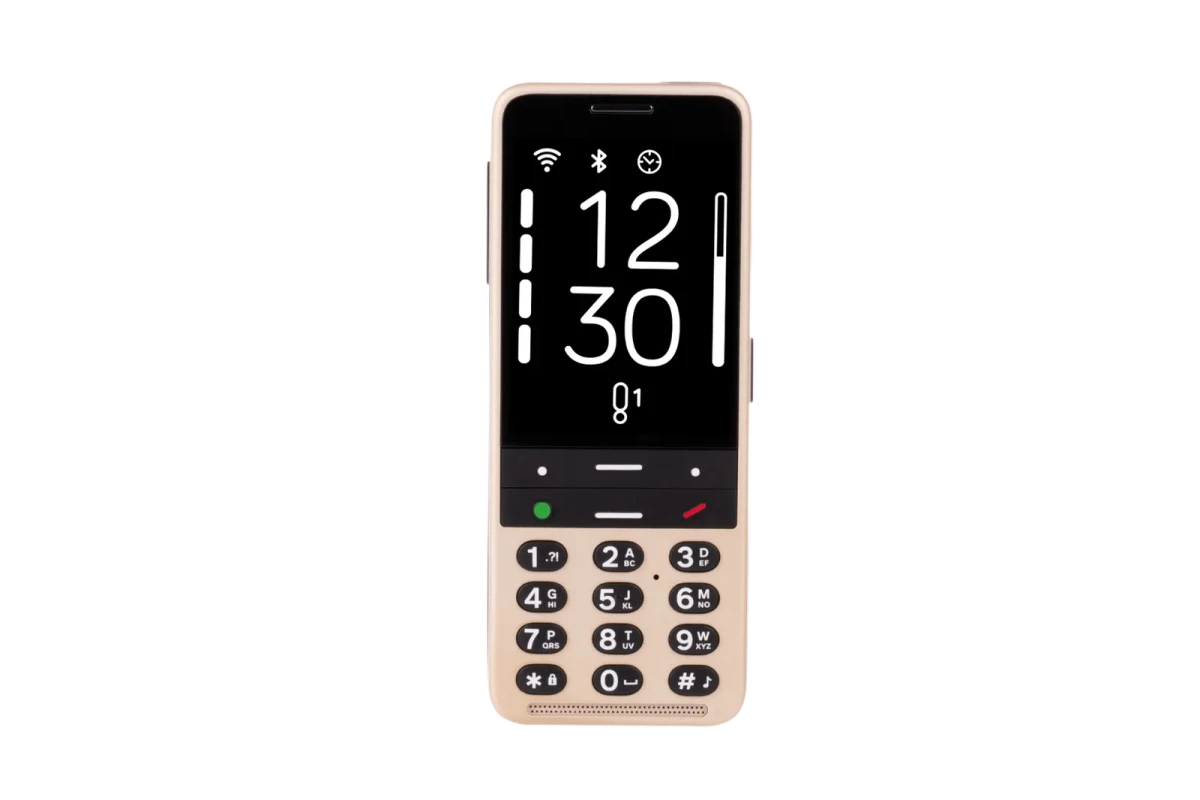
The award-winning accessible phone for blind and visually impaired users, with a tactile keypad plus touchscreen, the Luna AI assistant, Tandem remote help and Observo recognition.
Price: US$798.12A proven, lower-cost option
The BlindShell Classic 2 offers the same button-and-speech approach as the Classic 3 at a lower price. If the newest features are not essential, it remains an excellent, dependable accessible phone.
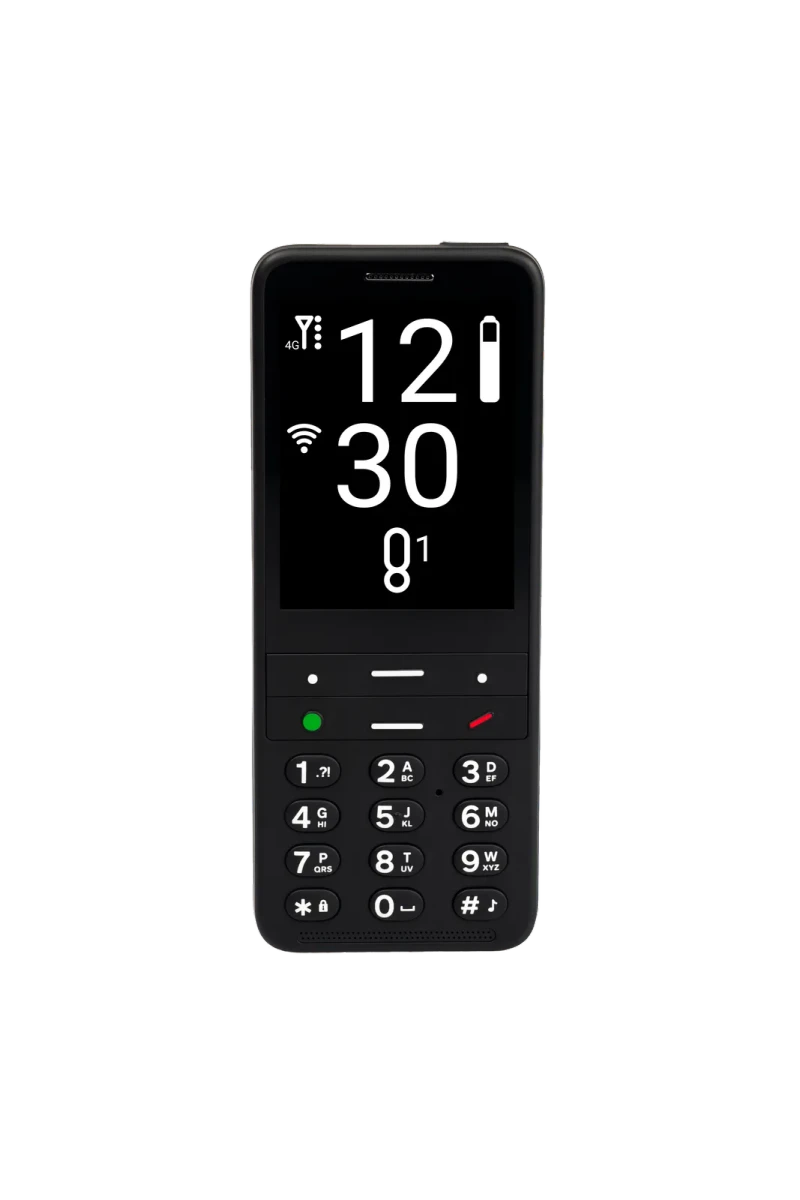
A simple, fully accessible mobile phone for blind and visually impaired users, with a tactile keypad, voice control and a loud, clear speaker.
Price: US$646.92The budget entry point
The BlindShell Classic Lite is the most affordable way into a dedicated accessible phone. It covers the essentials, calls, texts and speech, and is ideal as a first phone after sight loss or for a tighter budget.
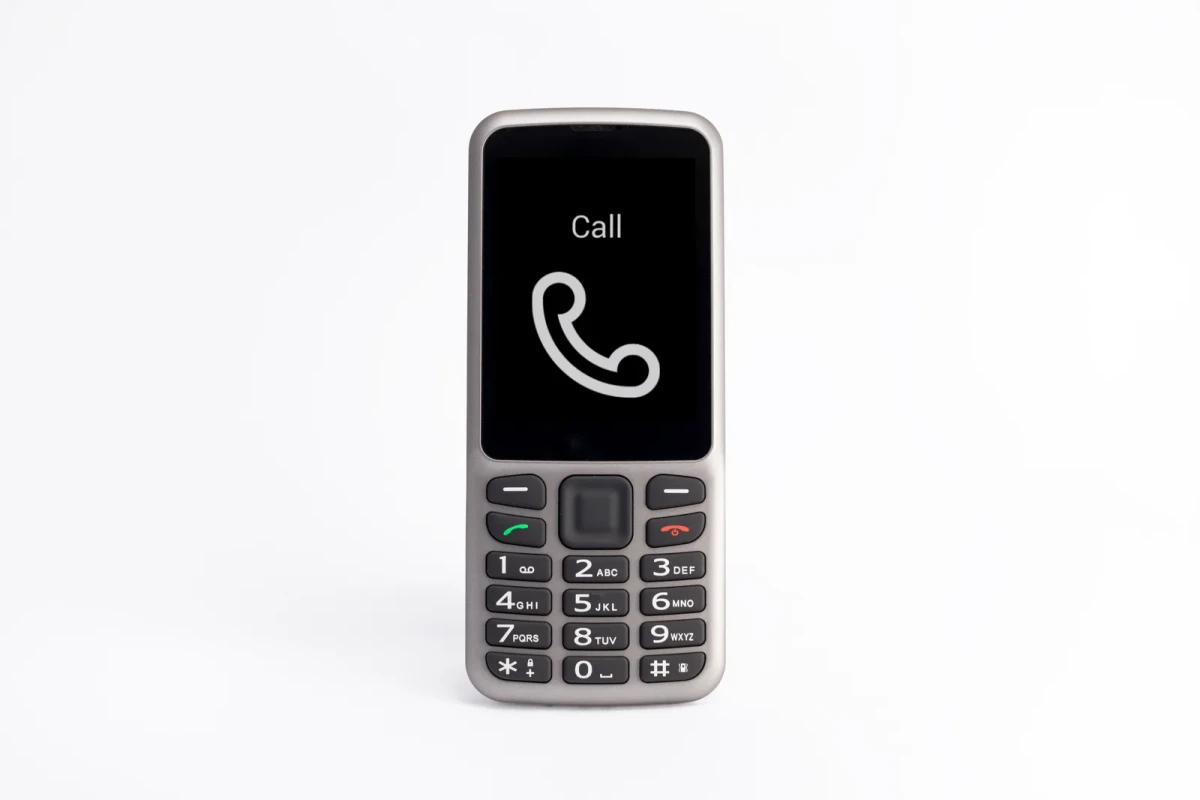
The simplest, most accessible mobile phone for blind and visually impaired users. Large tactile keypad, the screen read aloud, an SOS button, and no internet needed.
Price: US$366.12Make a smartphone faster
If the smartphone path suits you better, the Hable One adds a physical braille keyboard to any iPhone or Android. It restores fast, eyes-free typing and navigation, closing much of the gap between a touchscreen and a button phone.
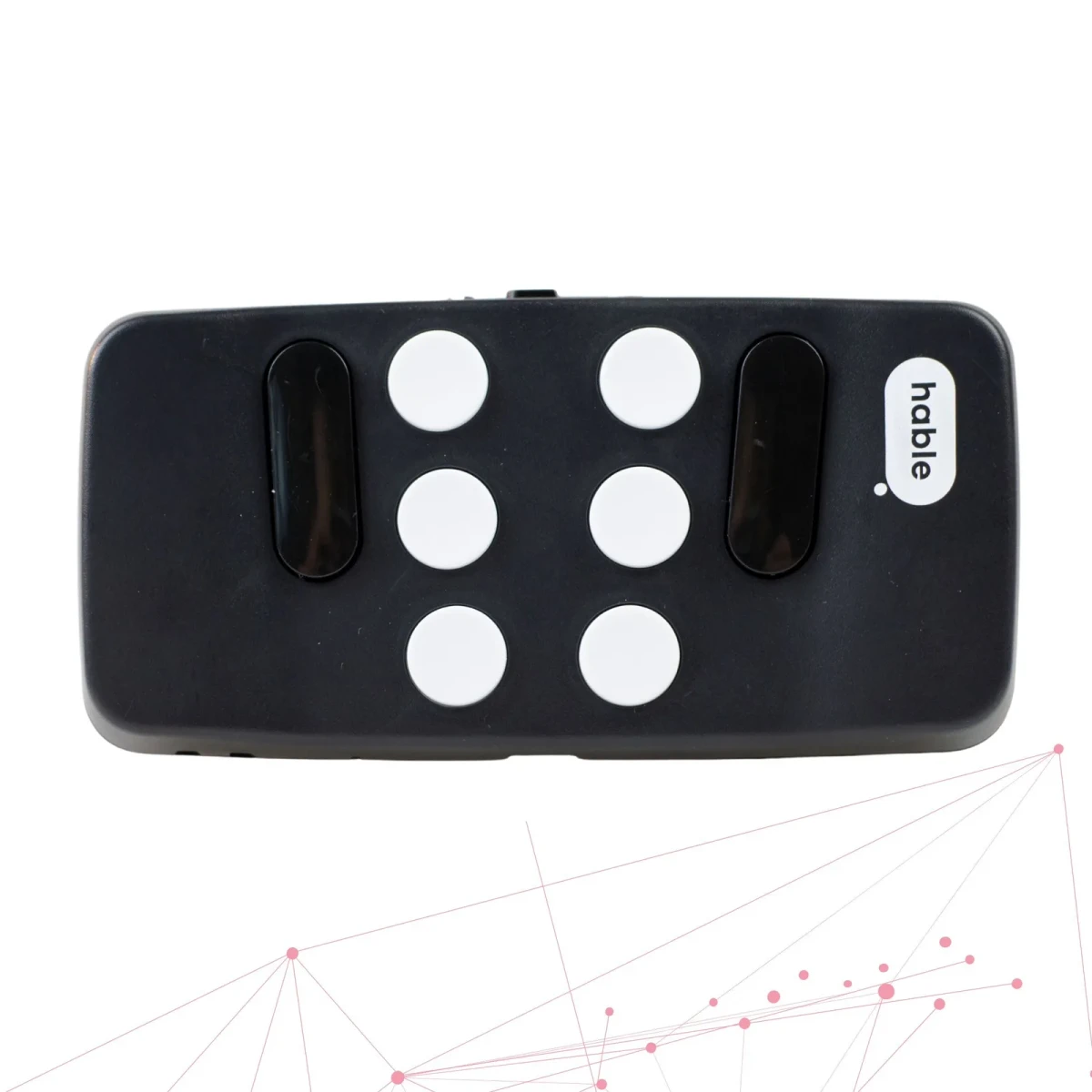
A pocket-sized six-key Braille keyboard that lets blind and visually impaired users type on, and fully control, their smartphone or tablet over Bluetooth.
Price: US$268.92
Still deciding?
Whichever path fits, the full vision and blindness range has both dedicated phones and the accessories that make a mainstream smartphone easier to live with.
Frequently asked questions
Is a BlindShell better than an iPhone for a blind person?
Neither is simply better. A BlindShell is easier to learn and more predictable, which suits many older users and people new to sight loss. An iPhone with VoiceOver runs more apps and is more flexible, but takes more practice. The best phone is the one the person will actually enjoy using.
Can a BlindShell run apps like WhatsApp?
The BlindShell has its own set of built-in apps, including messaging and some popular services, but it is not a full app-store phone. If running the whole range of mainstream apps matters, a smartphone with a screen reader is the better fit.
Is a smartphone with VoiceOver or TalkBack hard to learn?
There is a learning curve to the gestures, more so than with physical buttons, but millions of blind people use these screen readers every day. Pairing the phone with a physical controller like the Hable One makes it much faster and can shorten that curve.
Which is cheaper?
A BlindShell Classic Lite is usually cheaper than a current smartphone, and the Classic 2 and 3 sit in the mid-range. A smartphone can cost more up front but reuses apps and accessories you may already have. Prices are shown live and in euros on each product.
Can you help me choose?
Yes. Our team is disability-led and happy to talk through the person's needs, confidence with technology and budget before you buy. Use the contact page and we will point you to the right device.