Switch-Adapted Toys: A Guide to Accessible Play
Every child has the right to play, and switch-adapted toys make that possible for children and adults who cannot work an ordinary toy's small buttons or moving parts. A switch-adapted toy is a toy, a fan, a light or a musical item wired so that pressing one large, easy switch makes it go. That single press teaches something powerful: I did that. Understanding cause and effect this way is often a first step toward communication and independence.
The toys themselves cover the senses. Musical toys reward a press with sound and light; movement toys spin, vibrate or pull; sensory items like a cooling fan or a stream of bubbles give a gentle, calming response. What they share is a socket for a switch, so the person plays by pressing the switch rather than handling the toy directly. That means one well-chosen switch can bring a whole shelf of toys to life, and you can move it from toy to toy as interests change.
Choosing the switch is where to spend your attention. Pick the size and surface that suits the person's most reliable movement and their senses: a large flat switch for a hand or elbow, a soft or textured switch for someone who responds to touch, a very light switch for a gentle press. Many switches can be mounted on a stand or fixed near a head, knee or foot. Below are switch-adapted toys and a switch to work them, all supplied in euros.
Our team's picks
Music, light and a clear reward
The Adapted Musical Crystal Ball responds to a switch press with music and changing light, a bright, motivating way to teach cause and effect. Engaging enough to hold attention while the idea that a press makes something happen sinks in.
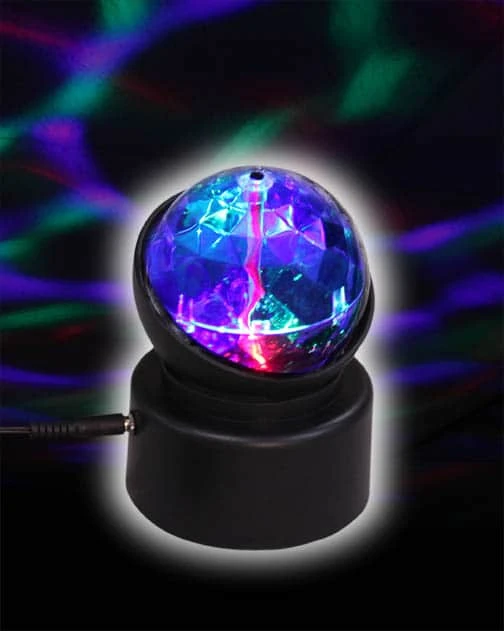
Switch-activated sensory toy that rotates a dome projecting kaleidoscopic shapes while playing music.
Price: US$62.63Make music with one press
Melody Bells let a person play tuneful notes through a switch, turning a simple press into music. A lovely group or classroom activity that rewards taking a turn and encourages a child to press again.
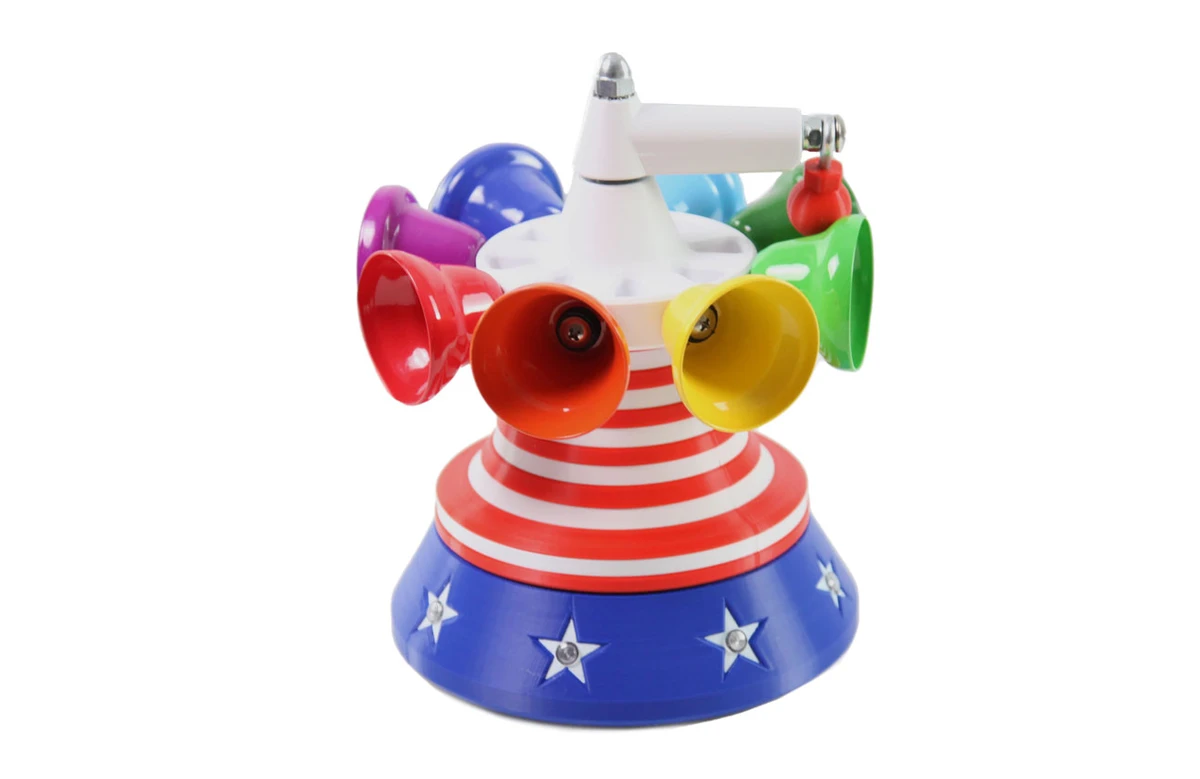
Compact switch-activated toy that spins metal bells and flashes LED lights for cause-and-effect learning.
Price: US$248.39Movement and anticipation
The Pull Ball rewards a switch press with movement, building anticipation and the thrill of making something move. A strong choice for a person who responds more to motion than to sound or light.
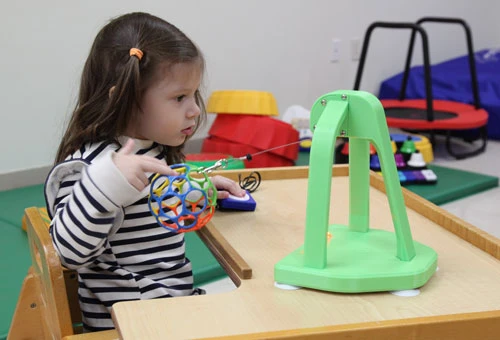
Multi-sensory toy that lights up and plays music when the tethered ball is pulled.
Price: US$188.99A calm sensory reward
The Misting Fan answers a switch press with a cool, gentle breeze and a fine mist, a soothing sensory response that works well for relaxation and for teaching cause and effect quietly. Especially welcome in warm rooms.
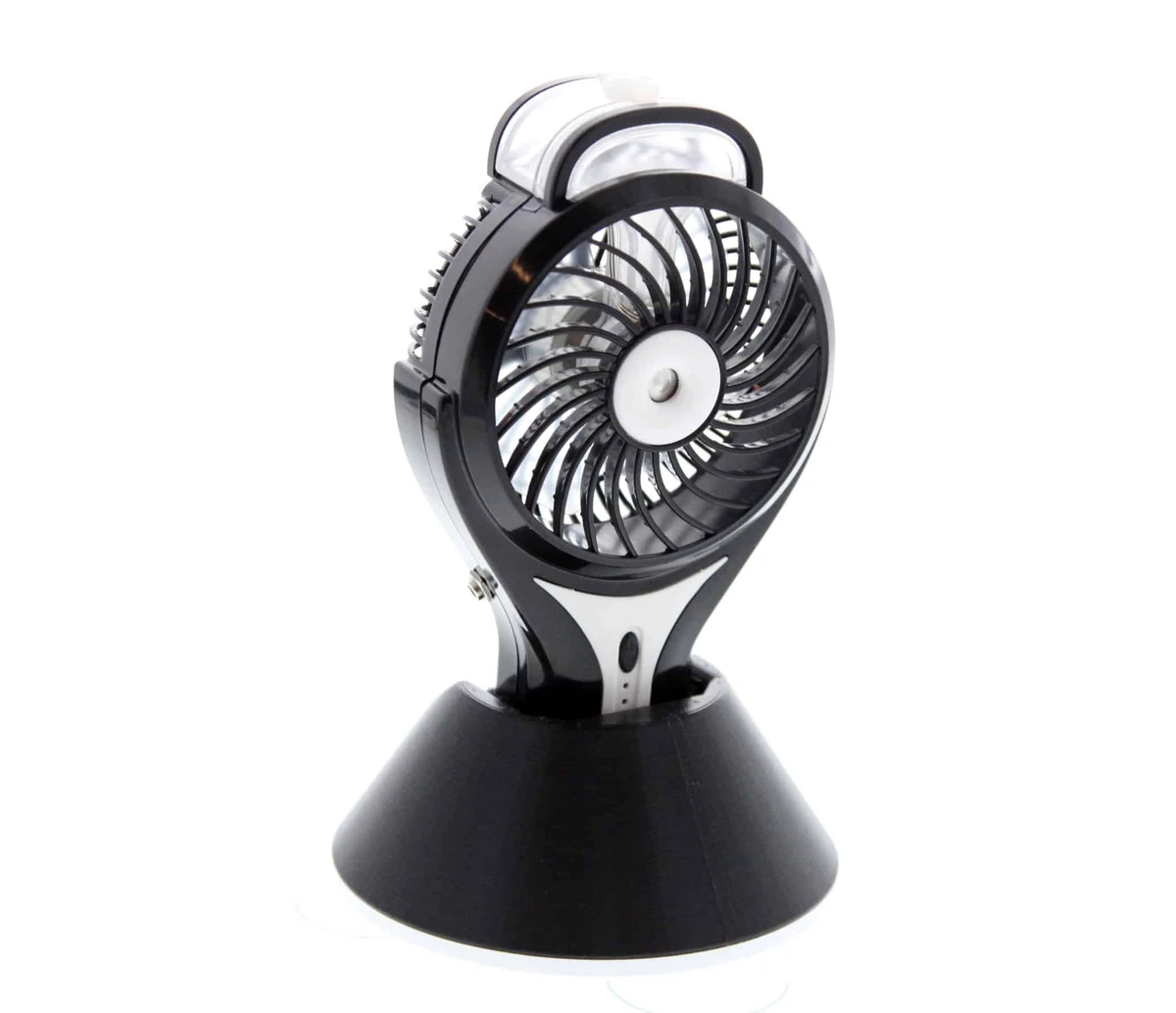
Switch-activated misting fan with three speeds and fine water mist for sensory stimulation.
Price: US$110.15The switch that works them
The Koosh Switch has a soft, tactile surface that is easy and inviting to press, and it plugs into any of these toys or a communicator. A great all-round first switch, and easy to move from one toy to the next.
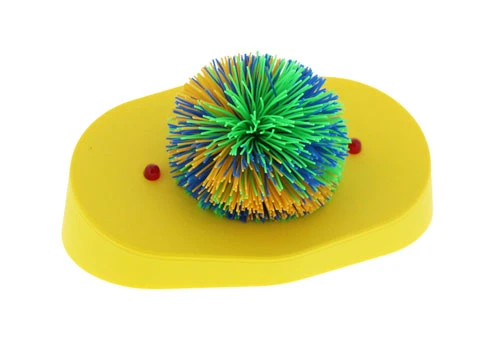
A sensory toy and adaptive switch that rewards a light touch with lights, music, vibration and a soft koosh texture.
Price: US$129.59
Still deciding?
One good switch opens up a whole range of toys, and you can swap it between them as a person's interests grow. Our cognitive and learning range has more switch-adapted toys, sensory equipment and switches.
Frequently asked questions
What is a switch-adapted toy?
A switch-adapted toy is an ordinary toy, fan, light or musical item that has been wired with a socket so it can be operated by a single large switch instead of its own small controls. The person presses one easy switch and the toy responds, which lets children and adults who cannot manage fiddly buttons play independently. It is one of the simplest and most joyful ways into accessible play.
How does a switch-adapted toy help a child learn?
Pressing a switch and seeing the toy react teaches cause and effect: the understanding that my action makes something happen. That is a foundation skill for communication, choice-making and independence. Repeating it with a motivating toy builds attention, turn-taking and the confidence to try again, which is why switch play is used so widely in special education and therapy.
Do I need a switch as well as the toy?
Yes. The toys have a socket rather than their own accessible button, so they need a separate switch plugged in to work. The upside is that one switch works across many toys, so you buy the switch that suits the person once and move it between toys as their interests change. If you are starting out, choose one motivating toy and one comfortable switch together.
How do I choose the right switch?
Match the switch to the person's most reliable movement and their senses. A large flat switch suits a hand, fist or elbow; a soft or textured switch suits someone who responds to touch; a very light switch suits a gentle press. Think about where it will sit, since many switches can be mounted on a stand or placed near a head, knee or foot. The switch above is a comfortable, tactile all-rounder.
Are these toys only for children?
No. Switch-adapted toys and sensory items are used with adults with disabilities too, in day centres, care homes and sensory rooms, for relaxation, engagement and cause-and-effect activities. Items like the misting fan and musical toys suit a wide range of ages. Product pages note who each item suits, and prices are shown live in euros.